
Building Flexibility, Not Just Savings
In an era characterized by economic volatility, the importance of financial flexibility cannot be overstated. While traditional savings mechanisms are essential for personal finance, focusing solely on accumulating funds may prove inadequate in the face of unexpected challenges. Recognizing this, individuals are increasingly urged to adopt a more adaptable approach to their financial planning.
One of the critical strategies for enhancing financial flexibility is to lower fixed obligations. By reassessing monthly expenses and identifying areas for reduction, individuals can free up funds for variable spending or savings that are more aligned with current economic realities. For example, renegotiating contracts, such as insurance or utility bills, can substantially decrease fixed costs. Likewise, minimizing outstanding debts can significantly improve cash flow, allowing for more agile financial maneuvers.
Diversifying income sources is another vital component of a flexible financial strategy. Relying on a single income stream can become perilous during downturns; therefore, individuals should consider establishing additional revenue streams. This could involve side hustles, investments in income-generating assets, or even passive income opportunities such as rental properties or dividend stocks. Each of these options offers the added benefit of providing security through multiple avenues of income, thus enhancing resilience against economic uncertainties.
Moreover, building a flexible financial framework enables individuals to react swiftly to changing economic conditions. Instead of being constrained by limited savings, a more diversified and adaptable financial plan allows for a responsive approach to spending, investing, and saving. In such a landscape, adaptability often proves more valuable than sheer wealth, as it equips individuals to navigate uncertainties with confidence.
Reducing Financial Noise
In the quest to prepare for a challenging economy, one of the most effective strategies is to reduce financial noise. Financial clutter can manifest in various forms, such as numerous subscriptions, insurance policies, and multiple bank accounts. These elements can lead to confusion and unnecessary spending while also draining valuable mental energy. Consequently, it becomes essential to identify and eliminate the sources of this noise to streamline financial management.
To begin, conduct a comprehensive audit of all ongoing subscriptions and recurring expenses. This may include streaming services, gym memberships, subscription boxes, and software subscriptions that are no longer utilized. By evaluating each subscription against its actual value in your life, you can discern which ones to retain and which to cancel. This process not only creates immediate financial relief through savings but also limits potential distractions that can derail your budgeting efforts.
Next, consider insurance policies you may hold. Review your existing coverage to determine whether you have overlapping policies or if you are paying for additional coverage that is superfluous. In some cases, consolidating policies or switching to a more cost-effective provider can lead to significant savings. Similarly, managing banking accounts is crucial; having too many accounts can create confusion and complicate financial tracking. Streamlining accounts can help you manage your finances more efficiently, ultimately saving both time and money.
By taking these steps to reduce financial noise, you create an environment conducive to making informed financial decisions. Clarity in your financial landscape allows you to identify where immediate savings can occur, enabling you to maintain essential expenditures while preparing strategically for tougher economic times ahead. This approach discourages drastic cuts that can lead to dissatisfaction, making it an essential step in your financial planning.
Liquidity is a Form of Peace
In times of economic uncertainty, the ability to access funds quickly is not merely a financial strategy; it is a source of psychological reassurance. Maintaining liquid reserves provides a safety net that can help individuals navigate unforeseen circumstances with greater confidence. Whether it’s a sudden medical expense, an unexpected job loss, or an investment opportunity that arises at a moment’s notice, having readily available funds ensures that individuals can respond effectively without undue stress.
Liquidity, often represented in the form of cash or cash-equivalents, can significantly enhance one’s financial stability. The peace of mind that comes from knowing one has the resources to address emergencies or seize opportunities cannot be understated. This sense of security fosters a proactive mindset, allowing individuals to think clearly during times when others might panic. Thus, cultivating liquidity is as much about mental fortitude as it is about financial intelligence.
Furthermore, in an economy that may present unexpected challenges, those who prioritize maintaining liquidity are likely to find themselves in advantageous positions. This approach provides flexibility, enabling individuals to either tide over difficult times or to consider new ventures without hesitation. It underscores the adage that peace of mind is priceless, particularly when it comes to managing one’s finances in turbulent economic waters.
Ultimately, while the acquisition of wealth and investment portfolio growth are certainly worthwhile goals, the foundation of those aspirations often lies in ensuring liquidity. By focusing on retaining easily accessible funds, individuals not only prepare themselves for potential downturns but also carve out a pathway to opportunities that may lead to financial growth when the market stabilizes.
Strengthen Skills Before the Market Forces You To
In an increasingly volatile economy, the importance of transferable skills cannot be overstated. Transferable skills, such as critical thinking, effective communication, and problem-solving abilities, are immensely valuable as they ensure adaptability across various job markets. As industries evolve and the demand for specific technical skills fluctuates, having a well-rounded skill set becomes vital for career resilience.
Investing in personal development through ongoing education and skill enhancement equips individuals for the unexpected challenges posed by economic fluctuations. This proactive approach can encompass a variety of actions, including enrolling in workshops, attending networking events, or pursuing online courses relevant to one’s career interests. Moreover, soft skills are becoming increasingly recognized as essential in the workplace, often complementing technical abilities. Skills such as emotional intelligence, collaboration, and time management are attractive to employers seeking candidates who can thrive in diverse environments.
It is also essential to stay informed about industry trends and emerging technologies. As certain sectors may undergo significant transformations, individuals should embrace lifelong learning to remain relevant. Professionals can benefit from leveraging digital platforms and communities that offer resources tailored to skill enhancement, providing numerous opportunities to learn new competencies.
By fostering a habit of continuous improvement, individuals not only prepare themselves for potential job changes but also minimize the risk of skill obsolescence. Recognizing the need for skill adaptation before economic pressures intensify allows professionals to remain competitive and increases their market value, thus cushioning themselves against potential economic downturns.
Closing Insight: Embracing Stability and Intentional Living
As we navigate the complexities and uncertainties of the modern economy, it becomes increasingly vital to adopt a comprehensive perspective on our financial behaviors and lifestyle choices. Economic resilience is not necessarily about pursuing aggressive financial strategies; rather, it lies in cultivating a mindset that prioritizes stability and intentional living. This approach requires individuals to develop a reliable framework that balances their resources with their personal values and long-term goals.
To achieve this, one must focus on aligning daily spending habits with core values. Intentional living promotes conscious choices that reflect meaningful priorities, encouraging individuals to differentiate between needs and wants. By channeling your financial resources towards those elements that genuinely enhance your quality of life, you foster a level of stability that can withstand economic fluctuations. Such values include investing in experiences rather than material possessions, prioritizing health and well-being, or supporting local businesses that enrich the community.
Additionally, preparing for a challenging economy involves cultivating an adaptable mindset. Being proactive rather than reactive can involve strategies such as building an emergency fund, continually assessing personal finances, and diversifying income streams. This level of preparation empowers individuals to weather economic storms while maintaining peace of mind.
Ultimately, embracing stability through intentional living can lead to profound fulfillment. It is crucial for readers to reflect on their current financial practices and evaluate how they can enhance their lives by making more deliberate choices. In joining this collective shift towards stability, individuals can create a resilient framework that not only supports them financially but also aligns with their intrinsic values. Taking these steps may serve not just as a response to economic challenges but as a long-term commitment to a more intentional, value-driven existence.
Recommended Reading/Tools for Practical Financial Readiness
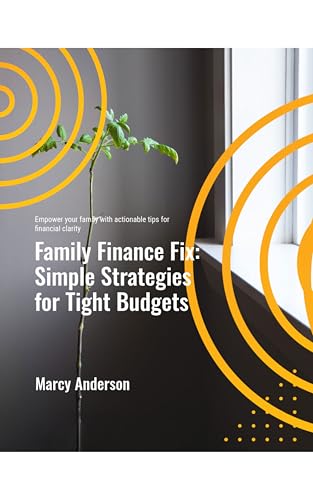
Preparing for an uncertain economy isn’t about fear—it’s about wisdom, clarity, planning and steady action. If you’re looking for simple, practical tools to help you organize your finances, reduce stress, and make confident decisions as we move toward 2026, these books by Marcy Anderson were created to support everyday households with realistic, step-by-step guidance.
Each resource focuses on building healthier money habits, increasing awareness, and creating peace of mind—so you can prepare thoughtfully, live well at home, and move forward with confidence, no matter what the economy brings.


In times like these, life doesn’t have to be loud or expensive to be meaningful. Some of the greatest peace we find comes from slowing down, enjoying our homes, and appreciating the simple blessings right in front of us—gratitude, rest, faith, and togetherness.
FHWM with Marcy, this space is about finding calm in the everyday and strength in small, intentional moments. If you’re encouraged by this video, you’ll find over 150 more on the channel focused on gratitude, faith, health, wellness, and gentle motivation to help you live well—right where you are.
Sometimes the world outside feels heavy — but tonight, let’s remember that home can be a sanctuary.
Let this moment be gentle. Breathe. Light a candle. Pour a warm drink. And let soft, calming rhythms wrap around you.
On FHWM with Marcy, we believe that wellness isn’t just about big changes — often it’s about small rituals: rest, stillness, gratitude. Watching or listening to soothing sounds like this helps calm the mind, renew the spirit, and connect to God and His peace that surpasses all understanding.
If this resonates, I invite you to explore more of our 150+ videos — from gratitude meditations to faith reflections, health tips to wellness journaling — all created to help you thrive no matter what life brings.
Welcome home. May this time bring you peace and restoration.